Wine Thirty Sticker SVG Embroidery Review
When I first pulled the Wine Thirty Sticker SVG from the download folder, my immediate thought wasn’t about the file format or the DPI—it was about where this design would actually live. As an embroidery designer who spends half my day digitizing and the other half testing stitches on everything from heavy denim to delicate baby muslin, I look for designs that translate well from screen to fabric. This particular asset caught my eye not just because of its theme, but because of its potential as a versatile graphic element in a handmade product line.
The concept is simple: a celebratory milestone tied to wine culture. It’s a mood, really. It suggests relaxation, achievement, and a bit of humor. For those of us running small shops or creating personalized gifts, capturing that specific emotional resonance is often more valuable than intricate technical complexity. Let’s break down how this machine embroidery design holds up when you move it out of the digital realm and into the hoop.
First Impressions and Visual Personality
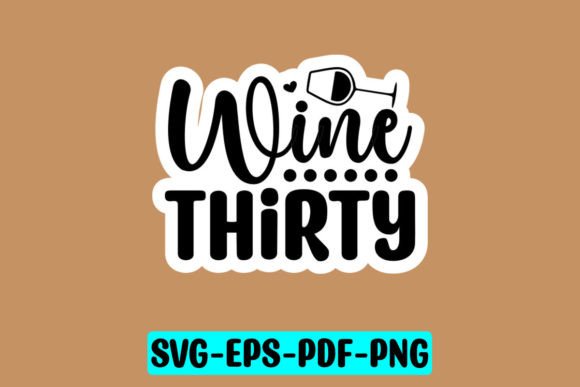
The visual personality of the Wine Thirty Sticker SVG leans heavily into the "sticker" aesthetic mentioned in its title. In the digital space, stickers are bold, outlined, and self-contained. When translating this to an embroidery file, the key question becomes: does it read clearly when stitched? The design likely relies on strong shapes rather than subtle gradients, which is a smart choice for textile art. Embroidery struggles with fine lines and soft shadows, so a design that prioritizes clear boundaries and distinct areas is always going to be safer for production.
I found myself imagining this design on a few different substrates right away. It feels most at home on casual, sturdy fabrics. The vibe is fun and approachable, making it perfect for a custom apparel project like a relaxed fit t-shirt or a cozy sweatshirt. It doesn’t scream "formal wear," nor should it. It’s designed for the kitchen table, the patio, or a girls' night in. That clarity of purpose helps when you’re marketing your finished products. You know exactly who your buyer is: someone who appreciates a good laugh and a glass of cabernet.
Real-World Application: The Tote Bag Scenario
To truly test a design’s viability, I always run it through a mental simulation of a real client order. Let’s say a customer comes to me wanting a custom embroidered tote bag for her thirtieth birthday. She wants something she can carry to the vineyard or use as a chic everyday bag. The Wine Thirty Sticker SVG fits this brief perfectly.
On a canvas or cotton canvas tote, the design would pop. The contrast between the thread and the fabric texture adds depth that digital images lack. If I were digitizing this, I’d likely use a combination of satin stitch for the outlines to give it that crisp sticker-like edge, and perhaps a dense fill stitch for any solid color blocks within the graphic. This ensures the design looks professional and doesn’t show the underlying fabric weave too much. The result is a high-quality handmade product that feels substantial and worth the price point.
Similarly, this design translates beautifully to apron embroidery. Imagine a linen apron in a neutral tone with this graphic centered on the chest pocket area. It turns a functional kitchen item into a statement piece. For a craft business owner, this kind of versatile design is gold because it appeals to multiple demographics—birthday shoppers, wine enthusiasts, and home cooks alike.
Technical Considerations and Stitch Clarity
While the concept is strong, execution is everything. When working with a design derived from a sticker graphic, you have to be mindful of the stitch density. If the original vector has too many tiny details or very thin text elements, they might merge together during stitching, resulting in a muddy blob rather than a readable message. Before committing to a full production run, I always advise testing the design on scrap fabric first. Check the small details closely. Are the letters legible? Do the curves flow smoothly?
Another critical factor is thread colors. A sticker design often relies on white space or negative space to define its shape. In embroidery, we don’t have "negative space" unless we leave the fabric bare. If you are embroidering this on a dark fabric, you’ll need to ensure the background of the sticker is either filled with a contrasting thread color or outlined strongly enough to stand out against the shirt. Conversely, on light fabric, you might need a backing stabilizer that prevents the design from looking too stiff or bulky. Always check whether the design works for both personal and commercial projects by verifying the licensing terms included in the zip folder.
I also recommend testing it in black and white mockups. Sometimes, color distracts us from poor composition. If the design reads well in grayscale, it will definitely work in color. This step is crucial for maintaining brand consistency if you are selling these items on Etsy or at craft fairs. Buyers trust products that look professionally made, and clean, clear stitching is the hallmark of professionalism.
Where to Use It Carefully
Not every surface is a good match for this design. Here are a few scenarios where you might want to pause and reconsider:
- Small Hoop Sizes: If the design is scaled down too small, the running stitch details might become indistinguishable. Keep it large enough to breathe.
- Stretchy Fabrics: While possible on jersey knits, stretchy materials can distort the shape of a rigid sticker graphic. Use proper stabilizer to prevent puckering.
- Curved Surfaces: Applying this to a cap or a curved hat brim requires careful placement. The flat nature of a sticker design might look odd if it doesn’t follow the curve of the garment naturally.
- Textured Fabrics: Heavy bouclé or shaggy fleece can hide the details of the design. Stick to smoother surfaces like cotton, linen, or denim for the best visual impact.
Product Value and Customer Appeal
From a business perspective, the Wine Thirty Sticker SVG is a strong asset. It taps into the massive market for milestone celebrations. Thirtieth birthdays are significant, and people are looking for unique, personalized gifts that stand out from generic store-bought cards. An embroidered patch or a custom sweatshirt featuring this design offers a tangible, lasting memory that a digital gift card cannot match.
For Etsy sellers and small shop owners, this design allows for easy variation. You can offer it on different colored blanks, pair it with complementary graphics, or create a series (e.g., "Wine Forty," "Wine Fifty"). This flexibility increases the lifetime value of the initial purchase. It’s not just a one-off sale; it’s a entry point into a broader collection.
The inclusion of high-resolution PNG, JPG, and PDF files in the zip folder is a bonus. Even if you aren’t using the machine embroidery file immediately, these design assets can be used for creating printable mockups for your online listings. Showing customers what the final finished product might look like on various items helps increase conversion rates. It bridges the gap between the digital file and the physical reality.
Final Verdict
The Wine Thirty Sticker SVG is a practical, visually appealing choice for designers looking to add a touch of humor and celebration to their embroidery repertoire. It balances simplicity with character, making it accessible for hobbyists yet professional enough for commercial use. By paying attention to stitch density, fabric choice, and color contrast, you can turn this digital graphic into a stunning embroidery project that customers will love.
If you are ready to start producing, remember to check the specific technical details provided in the product description regarding file formats and compatibility. Test thoroughly, choose your threads wisely, and let the design shine. Whether it ends up on a tote bag design, a baby embroidery keepsake, or a festive holiday gift, this design has the potential to elevate your handmade offerings significantly.