Thank You Dad Sticker SVG Review
As a designer who spends half my day troubleshooting stitch paths and the other half testing thread tensions, I don’t just look at an embroidery file; I look at how it will survive the real world. When I first pulled Thank You Dad Sticker SVG from the folder to evaluate for potential client work and small business inventory, my immediate thought was about versatility. In the crowded market of handmade gifts, especially those targeting Father’s Day or general appreciation, finding a design that balances sentiment with clean execution is rare. This file doesn’t try to be everything to everyone, but within its specific niche, it executes with a clarity that makes it a strong candidate for both personal projects and commercial production.
First Impressions and Visual Personality
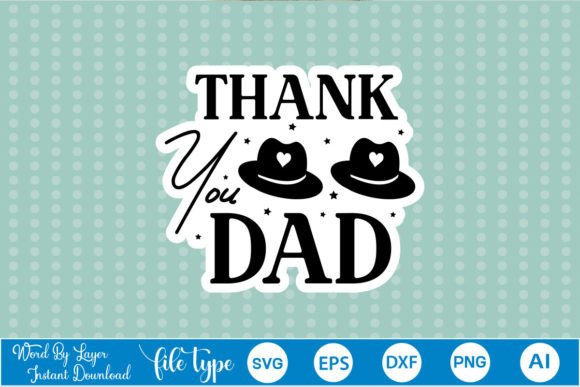
The moment you open the layers in your digitizing software, the structure of this machine embroidery design reveals itself as straightforward and intentional. The "sticker" aesthetic implies a bold outline, likely relying on a strong satin border to define the shape against whatever fabric it lands on. For an embroidery project aimed at capturing attention quickly—whether on a tote bag at a craft fair or a sweatshirt in a boutique window—this visual personality works. It feels friendly, approachable, and slightly playful without being childish.
What stands out most is the layout. Unlike complex scenes that require dense fill stitches and intricate shading, this design relies on negative space and clear typography. From a reviewer’s perspective, this is smart. It reduces the risk of thread breaks and minimizes the chance of puckering on lighter fabrics. The mood it creates is one of casual gratitude. It’s not a formal crest or a serious emblem; it’s a warm hug stitched into fabric. This makes it perfect for personalized gift scenarios where the emotional connection matters more than technical complexity.
Real-World Application: Where It Shines
I spent some time mentally mapping out where Thank You Dad Sticker SVG would perform best in a production environment. My first scenario involved a batch of custom canvas tote bags for a local artisan market. The bold outline of the sticker design contrasts beautifully against natural canvas or solid-color cotton blends. Because the design isn’t overly dense, it stitches quickly, which translates to higher profit margins for any Etsy seller or small shop product owner looking to scale output during peak seasons like Father’s Day.
Another strong use case is custom apparel, specifically heavyweight hoodies or crewneck sweatshirts. The "sticker" look mimics a screen-printed patch, which gives a premium feel to the garment. When placed over the heart or centered on the back, it adds a touch of personality without overwhelming the wearer. I also see this working exceptionally well for embroidered patches intended for denim jackets or backpacks. If you add a few extra rows of satin stitching around the perimeter for durability, it becomes a rugged accessory that appeals to dads who prefer practical style over flashy logos.
For baby embroidery items, such as burp cloths or milestone blankets, the softness of the message pairs well with the gentle curves often found in these files. While the prompt suggests a "sticker" theme, the actual lettering appears legible and rounded enough to soften the impact, making it suitable for nursery decor or a new parent gift. It bridges the gap between a utilitarian item and a sentimental keepsake.
Technical Considerations and Potential Pitfalls
No design is flawless, and as a professional, I need to highlight where caution is required. The primary concern with any text-based digital embroidery file is stitch density. If the font weight is too light, it may disappear into textured fabrics like terry cloth or boucle. Before committing to a large run, I always advise testing the design on scrap fabric that matches your final material. Check the thread colors carefully; a light gray thread on a white background might lack the punch needed for the "sticker" effect to read clearly.
Furthermore, consider the hoop size limitations. If you are producing items like caps or curved hat panels, ensure the design fits comfortably within your machine’s hoop without requiring awkward re-hooping. Curved surfaces can distort straight lines, so inspect the corners of the sticker shape to ensure they remain crisp. On stretchy knits, such as athletic wear, you must use a proper stabilizer to prevent the satin stitch edges from wavering. A wavy edge ruins the "sticker" illusion, making it look amateurish rather than designed.
Also, think about washing durability. If this is intended for daily-wear craft business items, verify that the underlay stitches are sufficient to hold the design in place through multiple wash cycles. Dense stitch areas can sometimes trap lint or cause discomfort if not backed correctly. Always test the hand-feel of the finished product; if the embroidery feels stiff or scratchy, customers may return the item, regardless of how cute the design is.
Designer Notes for Production Success
- Mockup First: Convert your design to black and white in your editing software before embroidering. This helps you assess contrast and balance without the distraction of color choices.
- Stabilizer Selection: For woven fabrics like cotton tees, a cut-away stabilizer provides long-term stability. For knits, a tear-away may suffice for temporary support, but cut-away is safer for longevity.
- Thread Choice: Polyester threads generally offer better sheen and durability than rayon for everyday items. Choose colors that complement, rather than clash with, the base fabric.
- Licensing Check: Before listing this as a commercial embroidery item, double-check the license terms included in your download. Some digital assets allow unlimited personal use but restrict commercial sales, or vice versa. Protect your brand by ensuring you have the right to sell finished goods.
Final Verdict
Thank You Dad Sticker SVG is a solid, reliable asset for any crafter or designer looking to tap into the gift-giving market. It avoids the pitfalls of over-complication while delivering a clear, emotionally resonant message. Its strength lies in its adaptability—it looks good on a humble tea towel just as much as it does on a high-end boutique hoodie. For the handmade product maker, it offers a low-risk, high-reward option that requires minimal troubleshooting. Just remember to respect the fabric, choose your stabilizer wisely, and always test before you produce. When executed correctly, this design has the potential to become a staple in your seasonal collection, driving engagement and trust with buyers who appreciate thoughtful, well-made details.