Dogs Welcome People Tolerated Embroidery Review
As a designer who spends more time than I care to admit staring at stitch charts and testing fabric samples, I approach every new digital asset with a healthy dose of skepticism. The market is flooded with clip art that looks charming on a screen but falls apart when converted into thread. Today, I am evaluating the Dogs Welcome People Tolerated design, a piece categorized under Crafts and Graphics that promises a mix of humor and canine affection. My goal here is not just to tell you what the file contains, but to analyze how this embroidery file performs in real-world applications, from boutique merchandise to personalized gifts.
First Impressions: Mood and Visual Personality
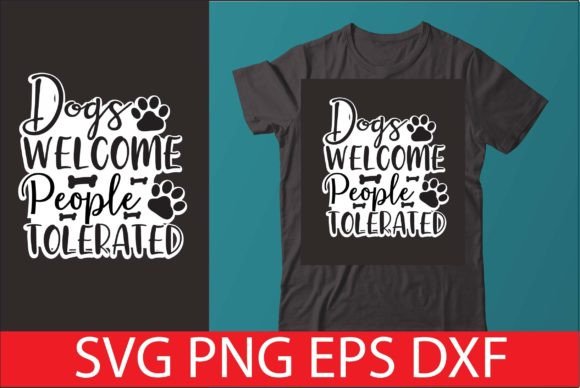
The moment you load the Dogs Welcome People Tolerated design into your digitizing software, the attitude of the piece is immediately apparent. It captures a very specific cultural mood: the modern dog owner who prioritizes their pet’s comfort over social pleasantries. This isn’t just a cute animal graphic; it is a statement piece. Visually, the layout feels balanced, likely relying on strong typography or a bold silhouette to convey the message effectively.
For an embroidery project, this kind of text-heavy or character-driven design requires careful consideration of legibility. The humor relies on the viewer reading the phrase quickly. If the stitching is too dense or the font choice lacks clarity, the joke gets lost. In my experience, designs like this work best when they feel casual yet polished. This particular design strikes that balance, offering a sense of personality that resonates deeply with its target audience. It feels less like generic clip art and more like a brand identity for someone who loves their dog above all else.
Real-World Application: Where Does This Design Shine?
Let’s talk about where this design actually lives. I recently imagined using this asset for a custom embroidered tote bag intended as a gift for a friend who runs a small rescue organization. The combination of the sturdy canvas material and the humorous text creates a perfect synergy. A tote bag design like this serves double duty: it is functional and conversation-starting. When customers see it at a coffee shop, it invites interaction, which is gold for any Etsy seller or craft business owner looking to build engagement.
Beyond bags, this design is incredibly versatile for custom apparel. Picture a heavy-weight cotton sweatshirt embroidery placed over the heart or across the back. The texture of the fleece would complement the likely satin stitch elements of the design, adding depth and warmth. Similarly, for apron embroidery, this design brings a touch of whimsy to the kitchen. It transforms a utilitarian item into a piece of decor that reflects the maker’s personality.
I also see strong potential in holiday embroidery projects. While not explicitly seasonal, the gifting aspect makes it ideal for Christmas or birthdays. A personalized gift featuring this design feels thoughtful because it acknowledges the recipient’s identity as a dog lover. For small shop product lines, this can be a staple item that appeals to a broad demographic without being overly niche.
Technical Performance and Stitch Clarity
When evaluating an embroidery design, the devil is in the details. The Dogs Welcome People Tolerated package includes standard vector formats (SVG, EPS, DXF) and raster files (PNG), which suggests flexibility for both direct-to-garment printing and machine embroidery preparation. However, as a reviewer, I must emphasize that vector files are not automatically ready for the hoop.
The success of this design hinges on how the stitch density is managed. Text-based designs often suffer from "thread breakage" if the underlay stitches are insufficient or if the top stitches are too tight. I recommend inspecting the digitization closely. Look for clean satin stitch edges around any letters or curved shapes. If the design includes fill areas, ensure the direction of the fill stitch complements the flow of the text. A poorly digitized text design can look muddy or puffy, ruining the professional finish.
Another critical factor is thread colors. Because the message is humorous and slightly edgy, high-contrast color choices will enhance the impact. Black thread on white fabric, or a deep navy on a heather grey tee, tends to work well. Avoid low-contrast combinations unless the design has thick, bold outlines. Always test your color palette on scrap fabric before committing to the final product.
Where to Use Caution
While this design is robust, there are specific scenarios where it might struggle. I would advise against using this on extremely small hoop sizes. If the text becomes too tiny, the fine details may merge together, making the message unreadable. Additionally, textured fabrics like terry cloth or thick wool can obscure the definition of the stitching, leading to a blurry appearance.
Stretchy fabrics, such as thin jersey knits used for baby clothes, require extra attention to stabilizers. Without proper support, the tension of the stitches can cause the fabric to pucker, distorting the shape of the letters. Curved surfaces, like baseball caps, also present a challenge. While possible, ensuring the text sits flat and follows the curve naturally requires advanced digitizing techniques. If you are new to these applications, start with flat surfaces like tote bags or aprons.
Impact on Brand and Customer Trust
In the world of handmade products, presentation is everything. A well-executed finished product signals professionalism and care. When a customer receives an item with crisp stitching and clear messaging, their trust in your brand increases. The Dogs Welcome People Tolerated design, when executed correctly, elevates the perceived value of the item. It moves beyond a simple commodity to a curated piece of art.
For commercial embroidery projects, this design offers a unique selling proposition. It taps into the emotional bond people have with their pets, creating a stronger connection between the buyer and the product. This emotional resonance is key to driving sales and encouraging repeat business. Furthermore, the design’s versatility allows for creative marketing strategies. You can create printable mockups showing the design on various products, helping potential buyers visualize the final result.
Practical Designer Notes for Implementation
Before you send this design to production, follow these practical steps to ensure success:
- Test on Scrap Fabric: Never skip this step. Different fabrics react differently to thread and stabilizer. Test on the exact material you plan to use for the final product.
- Check Stabilizer Choice: Use a cut-away stabilizer for stretchy fabrics and a tear-away for stable wovens. The right stabilizer prevents puckering and ensures longevity.
- Review Hoop Size: Ensure the design fits comfortably within your machine’s hoop size, leaving enough margin for handling.
- Inspect Small Details: Zoom in on the digitized file. Are there any floating threads or unnecessary jumps? Clean up any errors before stitching.
- Confirm Licensing: Verify the terms of use. Even if you purchased the digital file, check whether commercial rights are included if you intend to sell the finished items.
By taking these precautions, you protect your reputation and ensure that the Dogs Welcome People Tolerated design delivers the quality and charm it promises. Whether you are a seasoned pro or a hobbyist starting your first embroidery project, this design offers a fun, engaging way to connect with your audience. It is a testament to the power of combining humor with craftsmanship, resulting in a product that people genuinely want to wear and display.