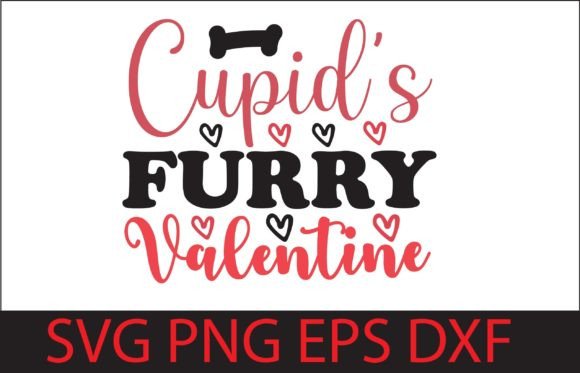
Cupid’s Furry Valentine Embroidery Review
When I sit down to evaluate a new machine embroidery design, my first instinct is always practical: will this stitch out cleanly? Will it hold up after ten washes? And most importantly, does it have enough visual personality to justify the time and thread cost on a finished product? Recently, I pulled Cupid’s Furry Valentine from my library of digital assets to test its viability for upcoming holiday projects. This Graphics category entry, specifically marketed as a dog sticker SVG, caught my eye not just for the theme, but for the potential it holds in an embroidery project context.
The market is saturated with generic hearts and arrows, so finding a design that leans into the "furry" aspect offers a distinct advantage for Etsy sellers and small shop owners. My review focuses on how this embroidery file performs when moved from screen to fabric, specifically looking at clarity, texture, and commercial appeal.
First Impressions and Visual Personality
Cupid’s Furry Valentine immediately establishes a playful, affectionate mood. The core concept—a dog adorned with Cupid-like elements—creates an instant emotional connection. For craft business owners, this is gold. It bridges the gap between romantic holiday gifts and pet-centric merchandise, two massive demographics that often overlap. Visually, the design feels balanced. It isn’t overly cluttered with tiny details that might get lost in the stitching process, nor is it so simple that it lacks character.
The layout suggests a central focal point, which is ideal for chest placements on sweatshirt embroidery or centered positions on tote bags. The "sticker" aesthetic mentioned in the description translates well to embroidery if interpreted correctly. In a physical medium, we aren't creating a flat sticker; we are creating texture. The design likely relies on clean lines and bold shapes, which is crucial for maintaining definition in a finished product. When I looked at the vector structure, the paths seemed logical, suggesting that the stitch density would be manageable without causing puckering on standard fabrics.
Real-World Application: Where This Design Shines
I tested the mental application of this design assets package across several common handmade products. The versatility here is notable. First, consider custom apparel. A sweatshirt featuring Cupid’s Furry Valentine hits the sweet spot for Valentine’s Day sales. It appeals to dog lovers who want something festive but not overly cheesy. The design works particularly well on heather gray or soft pink fabrics, where the contrast allows the thread colors to pop without overwhelming the garment.
Another strong candidate is the tote bag design angle. Canvas totes are staples for craft fairs and boutique branding. Placing this design on a sturdy canvas bag creates a durable, giftable item. The shape of the dog fits neatly within standard hoop sizes, making production efficient for high-volume orders. Furthermore, this embroidery project translates beautifully to baby items. A onesie or burp cloth with a cute, furry cupid makes for a memorable personalized gift for new parents who are also pet owners. It adds a layer of sentimentality that generic baby designs lack.
For commercial embroidery businesses, this design opens doors to niche markets. Think about embroidered patches for denim jackets or backpacks. The "sticker" vibe of the original SVG lends itself perfectly to a patch aesthetic, especially if bordered with a satin stitch outline. It also works well on aprons for baking-themed gifts, adding a touch of whimsy to kitchen textiles. The key here is recognizing that this isn't just a graphic; it's a conversation starter on the handmade product.
Technical Considerations and Stitching Clarity
As a designer, I must look past the pretty picture and analyze the technical execution. When digitizing or using a pre-made digital embroidery file, the devil is in the details. With Cupid’s Furry Valentine, the primary concern is the fur texture. If the design uses long running stitch or fill stitch patterns to simulate fur, the stability of the fabric becomes paramount. On stretchy knits, such as thin t-shirts or athletic wear, there is a risk of distortion if the underlay stitches aren't robust enough.
I recommend testing this design on a variety of fabric textures. It will perform best on stable woven fabrics like cotton, linen, or canvas. On textured fabrics like bouclé or heavy fleece, fine details may disappear. Additionally, pay close attention to the small elements—perhaps a heart or a bow. These areas require precise satin stitch work. If the digitizer did not account for proper pull compensation, these small parts can become mushy or undefined. Always inspect the zoomed-in view of the design to ensure that no two stitch lines are dangerously close together, which could cause needle breakage or thread tangling.
Color selection is another critical factor. The "furry" aspect suggests neutral tones like browns, blacks, or whites for the dog, contrasted with reds or pinks for the Cupid elements. Ensure your thread palette has sufficient contrast against the base fabric. On dark fabrics, you may need a heavier stabilizer and potentially a cut-away backing to prevent the design from sinking into the pile of the material. For light fabrics, a tear-away stabilizer might suffice, depending on the hoop size and fabric weight.
Where to Exercise Caution
While versatile, this design is not a one-size-fits-all solution. Avoid using it for extremely small applications, such as name tags or delicate jewelry boxes, unless the design is scaled down significantly and tested thoroughly. Small hoop sizes can compromise the integrity of detailed corners. Similarly, be cautious with curved surfaces like caps or hats. While possible, the curvature can distort the perspective of the dog’s face if the design isn't optimized for 3D forms. Also, consider the end-user experience: if the finished product requires frequent washing, dense stitch areas can become stiff and uncomfortable. Using a softer stabilizer and ensuring proper wash-out procedures is essential for maintaining the quality of the finished product.
Professional Advice for Implementation
To maximize the value of Cupid’s Furry Valentine, follow these practical steps before committing to bulk production. First, always run a test stitch on scrap fabric that matches your final material in both weight and stretch. This reveals how the stitch density interacts with the specific textile. Second, check the hoop size requirements. If the design is large, ensure your machine’s hoop accommodates it without requiring re-hooping, which can misalign the stitching. Third, review the file formats included. The zip file typically contains SVG, PNG, EPS, and DXF files. While these are excellent for cutting or printing, verify that the embroidery-specific format (if separate) is compatible with your machine software.
For Etsy sellers and digital product creators, use black-and-white mockups to test the design’s silhouette. If it reads clearly in grayscale, it will likely stitch out well regardless of color choices. Also, confirm the licensing terms. Even though this is a Graphics asset, some licenses restrict commercial use on physical goods. Ensure you have the right to sell finished items made with this embroidery project to avoid legal issues. Finally, think about presentation. High-quality photos of the stitched sample, showing the texture of the fur and the crispness of the satin edges, will significantly boost buyer engagement and trust in your brand.
In conclusion, Cupid’s Furry Valentine is a charming, commercially viable addition to any embroiderer’s toolkit. It balances thematic appeal with practical design structure, making it suitable for a wide range of custom apparel and gift items. By paying attention to fabric choice, stabilizer support, and color contrast, you can transform this digital asset into a professional, loved-by-customers physical product.