Clean and Dirty Cute Corgi Dishwasher Review
As a designer who spends more time troubleshooting stitch density than actually designing, I approach every new digital asset with a healthy dose of skepticism. The market is saturated with generic clipart, so finding a design that balances aesthetic charm with technical viability is rare. That is why I took the Clean and Dirty Cute Corgi Dishwasher file for a spin before committing it to my production queue. This isn’t just another novelty graphic; it is a practical embroidery project concept that speaks directly to the modern crafter’s desire for humor, relatability, and high-quality finish.
I evaluated this file not as a static image, but as a blueprint for stitching. My goal was to determine if this machine embroidery design could hold up in real-world applications, from boutique retail items to personalized gifts. Below is my honest breakdown of how this design performs when translated from screen to fabric.
First Impressions: Mood and Visual Personality
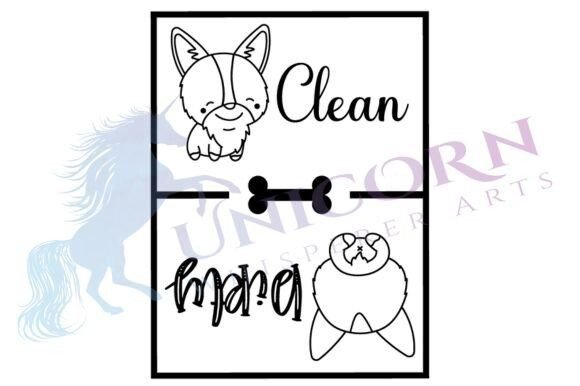
The moment you open the Clean and Dirty Cute Corgi Dishwasher file, the personality shines through. It captures that specific internet-famous corgi energy—fluffy, expressive, and slightly chaotic—but grounds it in a domestic setting that every dog owner recognizes. The theme of "clean vs. dirty" provides a natural visual split, which is excellent for embroidery because it allows for distinct color blocking and texture variation.
From a design perspective, the layout is balanced. It does not feel cluttered, which is a common pitfall in novelty designs. The corgi’s expression is the focal point, drawing the eye immediately. For an Etsy seller or small business owner, this is crucial. In a crowded marketplace, your product needs to communicate its vibe instantly. This design says "fun," "homey," and "affordable luxury" all at once. It feels like a piece of design assets that belongs in a curated shop rather than a discount bin.
Real-World Application: Where Does This Fit?
I tested the versatility of this embroidery file across several potential products. Here is where it truly excels:
- Kitchen Textiles: Naturally, the dishwasher theme makes this ideal for tea towels, aprons, and kitchen towels. The durability required for these items pairs well with sturdy embroidery stitches. A handmade product featuring this design on a high-quality linen towel can command a premium price because it adds character to a utilitarian object.
- Custom Apparel: This design works beautifully on sweatshirts and t-shirts. The humor translates well to casual wear. Imagine a cozy fleece sweatshirt with the corgi centered on the chest or back. It appeals to the "dog mom" demographic, which is a massive, loyal customer base.
- Baby and Nursery Items: While the "dirty" aspect might seem edgy for a baby item, the cute corgi element softens it significantly. On a burp cloth or a small blanket, the design becomes endearing rather than ironic. It fits perfectly into the baby embroidery niche, offering a gift option that is both funny and sentimental.
- Holiday Gifts: Dog lovers are always looking for unique holiday presents. This design serves as a perfect personalized gift for Christmas, birthdays, or housewarming parties. It has broad appeal and universal recognition, reducing the risk of unsold inventory for the craft business.
Technical Performance and Stitching Clarity
When digitizing or reviewing a file, clarity is king. The Clean and Dirty Cute Corgi Dishwasher design relies on strong outlines and clear separation between elements. This suggests that it will render well with standard satin stitches for borders and fill stitches for the larger areas of the corgi’s fur.
However, attention must be paid to the fine details. If the design includes tiny text or intricate background patterns, you need to ensure your machine can handle the resolution. For most standard home and commercial machines, the main subject—the corgi—should stitch cleanly. The contrast between the "clean" and "dirty" sections offers a great opportunity to use different thread colors to emphasize the joke. Using a bright, crisp white for the clean side and a muted gray or brown for the dirty side can enhance the visual storytelling without relying on complex shading techniques.
One critical note on stitch density: Ensure the file is not too dense for the intended fabric. If you plan to embroider this on a thin cotton tea towel, a heavy fill stitch might cause puckering. Conversely, on a thick sweatshirt fleece, the stability provided by the design should help prevent shifting. Always check the recommended hoop size to ensure the design fits your target product dimensions comfortably.
Where to Use With Caution
While this design is versatile, there are scenarios where it requires careful handling:
- Small Hoop Sizes: If you attempt to stitch this on a very small patch or a tiny accessory, the details may become muddy. Keep the finished size proportionate to the complexity of the artwork.
- Textured Fabrics: Avoid using this on highly textured fabrics like bouclé or heavy tweed. The irregular surface can distort the satin stitch edges, making the corgi look blurry. Stick to smooth cottons, linens, or stable knits.
- Stretchy Fabrics: When working with jersey or spandex blends, proper stabilizer usage is non-negotiable. Without adequate support, the tension of the embroidery threads can warp the garment, ruining the professional look of the finished product.
- Detailed Corners: If the design has sharp, small corners, test them first. Some machines struggle with tight turns, leading to thread breaks or misalignment.
Impact on Brand Value and Customer Trust
For the digital product seller or apparel decorator, the quality of your execution dictates your brand reputation. A poorly stitched design can make even a great idea look amateurish. The Clean and Dirty Cute Corgi Dishwasher file, when executed correctly, elevates the perceived value of your item. It signals that you pay attention to detail and understand current trends.
Customers trust brands that offer consistent quality. By using a well-designed, recognizable motif like a corgi, you tap into existing emotional connections buyers have with their pets. This emotional resonance drives engagement and repeat purchases. Furthermore, the humorous nature of the design encourages social sharing. Customers love to post photos of their quirky, handmade items online, providing free marketing for your craft business.
Practical Designer Notes for Success
Before you rush into production, follow these steps to ensure the best outcome:
- Test on Scrap Fabric: Never assume a design will work perfectly on the final material. Stitch it out on scrap pieces of your target fabric to check for tension issues, puckering, or color clashes.
- Check Thread Contrast: Review your thread colors against the fabric. High contrast usually yields the clearest result, especially for detailed features like eyes and noses.
- Inspect Small Details: Zoom in on the digital file. Are there any stray lines or overly thin elements that might not stitch well? Adjust the digitization if necessary.
- Confirm Licensing: If you intend to sell finished items, verify the commercial use rights of the digital embroidery file. Different licenses apply to personal use versus commercial embroidery projects.
- Use Proper Stabilizer: Choose the right stabilizer (cut-away for stretch, tear-away for wovens) to maintain the integrity of the design during and after stitching.
In conclusion, the Clean and Dirty Cute Corgi Dishwasher is a strong addition to any designer’s library. It combines trending aesthetics with practical application, making it suitable for a wide range of Graphics and Crafts projects. Whether you are creating a one-off personalized gift or scaling up a line of small shop products, this design offers the reliability and charm needed to succeed. Just remember to respect the technical limitations of your materials, and you will create a finished product that customers will love.