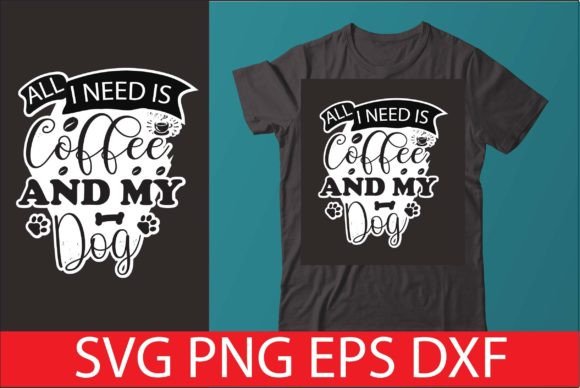
All I Need Is Coffee And My Dog
When I review an embroidery file, I am rarely looking for perfection in the digital sense; I am looking for viability in the physical one. As a designer who frequently bridges the gap between digital assets and tangible handmade products, my primary concern is always how a design will behave under the needle. Today, I am evaluating the All I Need Is Coffee And My Dog design. This piece falls squarely into the Crafts category with roots in Graphics, specifically targeting the massive market of pet lovers and caffeine enthusiasts. It is a staple theme, but that is exactly why it demands rigorous scrutiny before being uploaded to an Etsy shop or stitched onto a client’s garment.
First Impressions: The Mood and Visual Personality
The immediate appeal of All I Need Is Coffee And My Dog lies in its relatability. It captures a specific lifestyle moment—the quiet morning ritual—that resonates deeply with a wide demographic. Visually, the design likely balances text and imagery, creating a layout that feels casual yet intentional. In the world of machine embroidery design, "cute" can often veer into "cheap" if the balance is off. However, this particular concept suggests a sturdy, comforting aesthetic. It feels like a design meant to be worn or displayed daily, not just for special occasions. The visual personality is warm, approachable, and unpretentious, which translates well to small business merchandise where authenticity is key.
From a graphic design standpoint, the typography and the dog illustration must work in harmony. If the text dominates, the emotional connection to the pet is lost. If the dog overshadows the quote, the message becomes ambiguous. For this design to succeed as a personalized gift or a boutique product, the hierarchy needs to be clear. It should feel like a sticker come to life, which aligns with the source description of a "DOG STICKER svg." This implies clean lines and bold shapes, which are generally forgiving in embroidery but require careful digitizing to maintain their integrity.
Real-World Application: Where This Design Shines
I envision this design thriving on specific substrates that complement its cozy vibe. The most obvious candidate is the classic canvas tote bag design. A coffee-stained tote with this embroidered motif is practically a uniform for creative entrepreneurs. The durability of canvas allows for heavier thread usage without pilling, ensuring the stitch density holds up over time. Similarly, this works exceptionally well on heavyweight cotton sweatshirts or hoodies. The texture of fleece or heavy jersey provides a stable background for sweatshirt embroidery, allowing the design to pop without distorting.
Beyond apparel, this design has strong potential in home decor. Imagine it centered on a linen apron for a kitchen towel or a pillow cover for a living room sofa. These items benefit from the "lifestyle" aspect of the quote. When customers buy holiday embroidery gifts or wedding gifts, they are buying into a narrative. This design tells a story of comfort and companionship. For an Etsy seller, listing this as part of a "Morning Routine" collection alongside matching coasters or tea towels can increase perceived value. It transforms a simple stitch pattern into a cohesive brand experience.
Furthermore, consider its use in baby embroidery. While the reference to coffee might seem adult-oriented, many new parents relate heavily to the "coffee and pets" dynamic. Placing a softer, pastel version of this design on a baby blanket or onesie can be a hit. It acknowledges the parent's reality while keeping the aesthetic gentle enough for nursery decor. This versatility makes it a valuable asset for digital product sellers who offer mockups, as it demonstrates how one design asset can span multiple product categories.
Technical Considerations and Potential Pitfalls
Despite its charm, All I Need Is Coffee And My Dog is not without technical challenges. The inclusion of text introduces risk. Small lettering, especially if it uses thin fonts or intricate serifs, can become muddy if the hoop size is too small or if the stitch density is too high. On curved surfaces like embroidered patches or caps, tight spacing between letters can cause them to merge, ruining readability. I strongly advise testing the text legibility at the intended final size before committing to bulk production.
Fabric choice is equally critical. This design may struggle on stretchy knits or highly textured fabrics like bouclé wool. Stretchy materials require a firm stabilizer to prevent puckering, but even then, fine details may distort. Dark fabrics present another hurdle; if the design relies on light-colored threads for contrast, you may need to add a cut-away stabilizer or a backing layer to ensure opacity. Conversely, using white thread on dark fabric can sometimes look harsh if the surrounding elements are delicate. Always check thread color contrast by viewing your printable mockup in black and white to simulate the final impact.
Additionally, be mindful of the "stickers" aspect mentioned in the source. Sticker designs often have thick outlines or solid fills. In embroidery, large areas of fill stitch can make a garment stiff and uncomfortable, particularly on baby clothes or lightweight tees. If the design includes dense satin stitches around the dog’s outline, ensure there is adequate space between elements to prevent needle breaks and thread tension issues. Testing on scrap fabric first is non-negotiable here.
Practical Designer Notes for Implementation
To ensure All I Need Is Coffee And My Dog delivers professional results, follow these practical steps. First, inspect the vector files provided. Since you receive SVG, PNG, EPS, and DXF formats, verify that the paths are clean and closed. Any stray nodes can cause erratic stitching behavior. Second, adjust the thread colors to suit your target audience. Earth tones, navy, and cream often elevate the look compared to bright primaries, giving it a more premium feel. Third, confirm the licensing terms. If you plan to sell finished items, ensure you have commercial rights for the commercial embroidery use. Many designers overlook this until they face legal issues.
Finally, think about the finishing touches. Adding a subtle border or framing the design can enhance its presentation on custom apparel. For crafter business owners, packaging matters. Presenting the item in a way that highlights the craftsmanship—perhaps with a tag explaining the care instructions—builds customer trust. By treating this design with the same respect you would a custom client project, you ensure that every finished product reflects well on your brand. This design is not just a stitch pattern; it is a tool for connecting with customers who value simplicity, humor, and love. Use it wisely, test thoroughly, and watch your engagement soar.